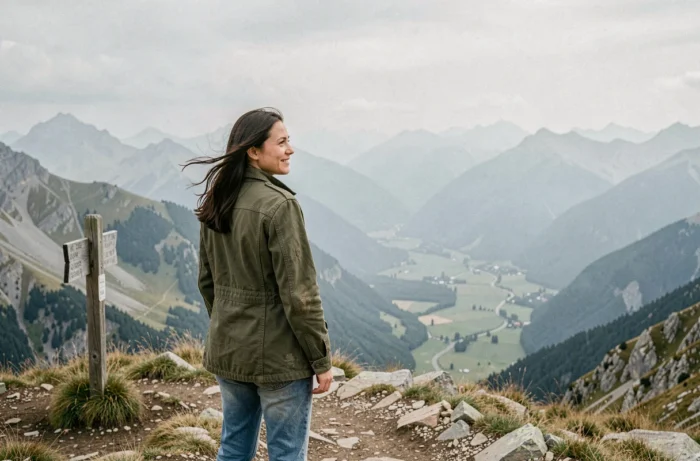
We prepare for a trip, we return, and sometimes even before we have unpacked our suitcase, we are already checking tickets for the next destination. This repetitive and almost compulsive pattern has a name: the wanderlust syndrome. The word comes from German, wandern (to wander) and lust (desire). It signifies much more than a desire for vacation: it is a recurring urge to leave, to change scenery, to immerse oneself in an unknown environment.
Wanderlust and dopamine: what happens when we plan a departure
Even before stepping foot on the plane, the brain reacts. Searching for a destination, comparing itineraries, imagining a place we do not yet know: these steps activate the reward circuit and release dopamine. We feel pleasure not upon return, but from the very phase of projection.
This mechanism is what makes wanderlust so persistent. The journey itself is only part of the experience. Planning, waiting, and anticipated novelty are enough to restart the cycle. When we understand this, we better grasp why some people book a new trip before finishing the previous one: the pleasure begins long before departure.
To better understand the desire to travel according to 123 Voyages, we must distinguish this neurological mechanism from a mere seasonal whim. Wanderlust settles in over time and influences life choices, sometimes even affecting living arrangements or professional careers.
The DRD4-7R gene and the search for novelty: what science really says

It is often said that wanderlust is “genetic.” The DRD4-7R variant, a polymorphism of the dopamine receptor, is frequently mentioned. The work of Chuansheng Chen et al., published in 1999 in Molecular Psychiatry, explored the links between this variant, historical migrations, and exploratory behaviors.
The nuance is significant: DRD4-7R is associated with the search for novelty, not travel itself. Carrying this variant does not guarantee that one will become a globetrotter. It may manifest as an attraction to thrill-seeking sports, frequent career changes, or intense intellectual curiosity. Reducing wanderlust to a single gene simplifies a behavior that also depends on upbringing, socio-economic context, and cultural exposure.
Feedback varies on this point: some people without any family history of travel develop a marked wanderlust after a first experience abroad, while others, raised in nomadic families, feel no particular urge to leave.
Social media and FOMO: when the desire to travel comes from others
An Instagram feed filled with sunsets in Bali or hikes in Patagonia produces a measurable effect. A study published in September 2026 in IJLTEMAS explored the link between FOMO (Fear of Missing Out) and adventure tourism. The finding: social media sometimes transforms an autonomous desire into social pressure.
We no longer travel just for ourselves. We also travel because others are traveling, because not traveling becomes a perceived form of social failure. This shift changes the nature of wanderlust. It is no longer curiosity that drives us to leave, but comparison.
Recognizing this dynamic allows us to differentiate between two distinct urges:
- The desire for authentic exploration, rooted in personal curiosity and the need for a break from daily life, which existed long before digital platforms.
- The reactive urge, triggered by others’ posts, often accompanied by an artificial sense of urgency and frustration if departure is not immediate.
- An intermediate zone where the two mix: we discover a destination through a post, and then a genuine interest gradually builds around the local culture or history.
Making this distinction is not trivial. The first type of wanderlust tends to produce slower, more immersive travels. The second pushes towards short stays, focused on collecting photos and social validation.
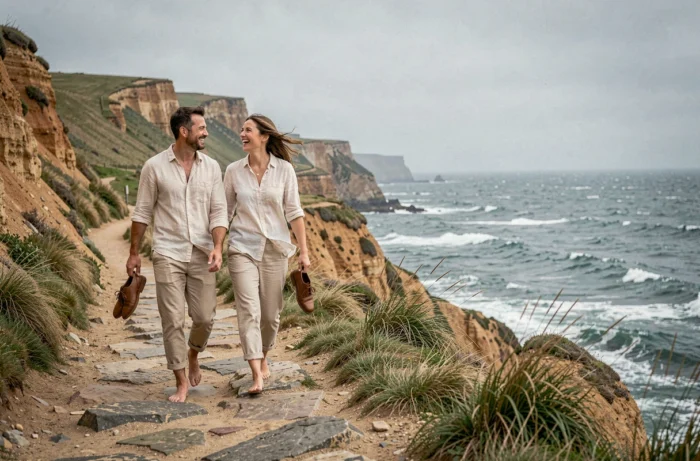
Cultural immersion and creativity: traveling is not enough
It is often said that traveling makes one more creative, more open-minded, more adaptable. The work of William Maddux on international experience nuances this idea. The cognitive benefits depend on the depth of immersion, not the number of stamps in the passport.
A stay in an all-inclusive resort, no matter how far away, reproduces the habits of the home country: language, food, schedules. The effect on cognitive flexibility remains limited. In contrast, a longer stay in an environment where one is forced to adapt (different language, unknown social codes, altered pace of life) produces measurable effects on divergent thinking.
For those affected by wanderlust, this distinction is useful when choosing how to travel:
- Prioritize stays where one steps out of their linguistic and cultural comfort zone, even if it’s just a few hundred kilometers from home.
- Prefer duration over frequency: two weeks in one place are often worth more than four weekends in four capitals.
- Seek real exchange situations (homestays, local volunteering, cooking or craft classes) rather than passive consumption of landscapes.
Living with wanderlust without dropping everything
The wanderlust syndrome is not a pathology listed in clinical psychology manuals. It is not something to be “treated.” However, when the need to leave generates anxiety, complicates professional life, or creates relational tensions, it deserves to be addressed directly.
Integrating travel into daily life without making it an escape requires introspection. Leaving because we are curious and leaving because we cannot stand our life are two radically different approaches, even if they produce the same action: booking a ticket.
Wanderlust, when well understood, remains a powerful motivator. It drives us to learn languages, to take an interest in geopolitics, to develop a tolerance for uncertainty that serves in many other areas beyond travel. The key is not to resist the urge to leave, but to understand why we are leaving.