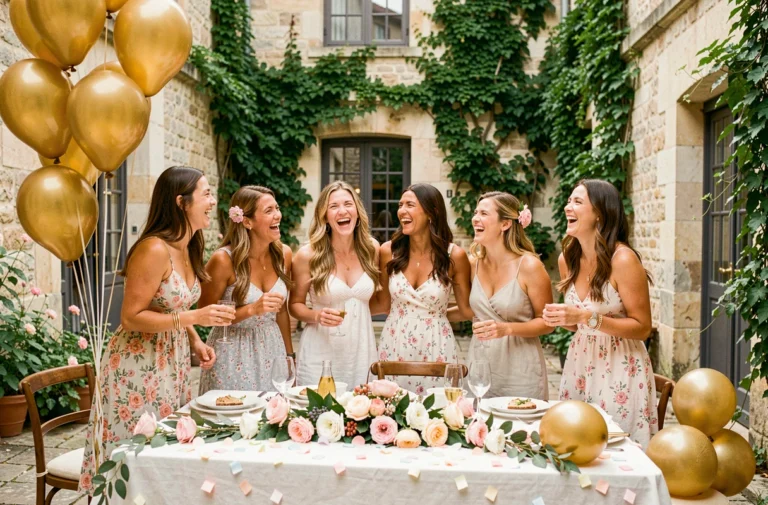
In France, the terms “bar” and “café” refer to two types of establishments that share a counter but serve different purposes. A bar primarily serves alcoholic drinks, often in the evening, in a setting designed for socializing. A café, by contrast, focuses on hot drinks and light meals, with opening hours geared toward the daytime. Understanding the difference makes it easier to choose the right place for the occasion.
Licences and drinks menus: what really sets a bar apart from a café
The most significant difference between a bar and a café comes down to its alcohol licence. A bar generally holds a Licence IV, which authorizes the sale of all categories of alcohol, including spirits. A traditional café usually operates under a lower-category licence, limited to fermented drinks (wine, beer, cider) and non-alcoholic beverages.
This regulatory distinction directly shapes the drinks menu. At a bar, cocktails, spirits and craft beers take center stage. At a café, the menu revolves around espresso, tea and juices, sometimes accompanied by light bites (croque-monsieur, pastries, charcuterie boards).
Before you choose between a bar and a café, checking the menu online gives you a reliable idea of what to expect. A venue advertising signature cocktails and happy hour offers a very different experience from one showcasing its specialty coffees.
Atmosphere and opening hours: two different ways to go out
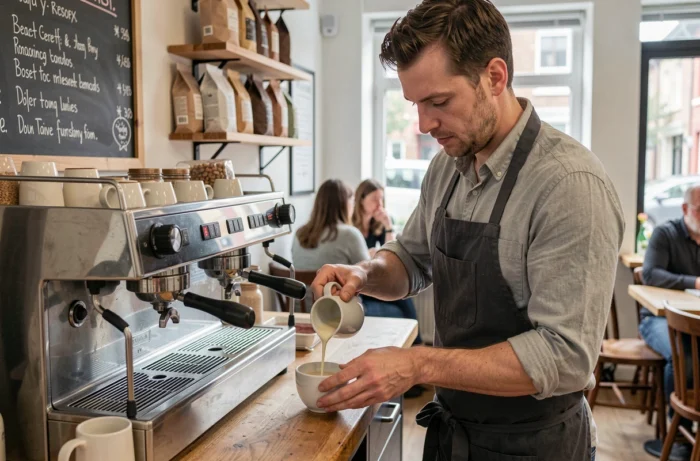
Cafés open early, often first thing in the morning, and close in the mid- to late afternoon. Natural light, well-spaced tables and moderate noise levels make them ideal for relaxed conversation, working or taking a break between activities. The clientele changes throughout the day: remote workers in the morning, retirees on the terrace at lunchtime, and students later in the day.
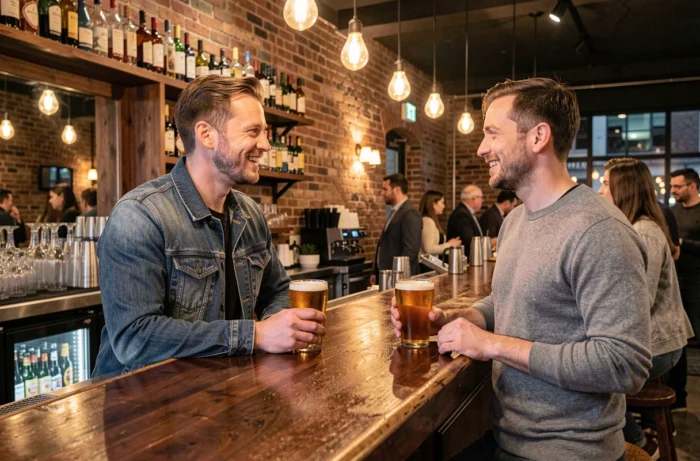
Bars operate on the opposite schedule. They open in the late afternoon or evening and close late at night. Dim lighting, louder music and larger crowds create an atmosphere geared toward partying or unwinding after a day at work.
Coffee shops and cocktail bars: hybrid venues blur the lines
The rise of specialty coffee shops in France adds another layer to the distinction. These venues serve specialty coffees (slow extraction, artisan roasting) in carefully designed spaces, sometimes attracting customers who come to work for several hours. Their opening hours are similar to those of traditional cafés, but their prices and focus on the product set them apart.
Conversely, some cocktail bars offer a quieter, almost café-like service early in the evening before things pick up. The time you go out shapes the atmosphere just as much as the type of venue.
How much does a trip to a bar or café cost? The difference in real terms
The main expense varies depending on the venue. At a café, the bill is made up of relatively inexpensive individual items (espresso, tea, fruit juice). Even with a pastry or sandwich, the total remains modest.
At a bar, the bill can climb much faster. A cocktail costs considerably more than a coffee, and ordering several drinks over the course of an evening inevitably adds up. Happy hour deals can help keep costs down, but they are only available during a limited time slot.
- At a café, expect to spend a moderate amount for one or two hours, with drinks priced affordably.
- At a bar, your budget depends on how many drinks you order and what you choose (draft beer, wine by the glass, elaborate cocktail).
- Hybrid venues (bar-restaurants, café-bars) often offer an extensive menu, making it easy to adjust your spending to suit the moment.
Choosing the right place for the occasion: a quick guide
The right venue depends less on personal taste than on the specific context of your outing. A long conversation for two is better suited to a quiet café where the noise won’t force you to raise your voice. An evening out with a group after work calls for a bar with enough standing or seated space to accommodate a group whose size may change.
- A first date or a relaxed conversation: a café, preferably with a terrace, offers a neutral setting and flexible timing (you can leave after just one coffee without feeling awkward).
- Catching up with friends in the evening: a bar with a varied menu (beer, wine, cocktails, soft drinks) means there’s something for everyone.
- Exploring a new neighborhood: finding a specialty coffee shop or wine bar lets you discover the character of the area as well as its menu.
- An afternoon out with family or children: a café is the only realistic option, as bars generally aren’t designed for this crowd.
Venue accessibility: something to check before you go
The public Acceslibre platform lists accessibility information for venues open to the public. Checking the entrance, routes through the venue and restrooms before booking can help you avoid unpleasant surprises, whatever type of venue you choose.
The difference between a bar and a café isn’t just about drinks. Licences, opening hours, noise levels, budget and the context of your outing all factor into the decision. The right choice is the one that suits the occasion, not the one with the best name on the sign.