The calendar for the 2026-2027 Biathlon World Cup reads differently depending on whether we focus on the dates or analyze the race formats scheduled for each stage. Several technical and regulatory adjustments change the way we follow performances this season, from timed prone shooting to waxing homologation rules.
Ban on Fluorinated Waxes in Biathlon: Technical Impact on Times
Since the implementation of the ban on perfluoroalkyl substances (PFAS) in ski waxes, biathlon is undergoing a discreet yet profound transformation in terms of equipment. Technical teams must reformulate all their glide protocols without using fluorinated waxes that provided a measurable advantage on wet snow.
This change directly affects the timing gaps in skating. Nations with high R&D budgets (Norway, Sweden, Germany) are investing heavily in alternatives based on paraffins and silicones. The absence of fluorinated waxes reduces the glide gaps between large and small nations, a parameter that raw rankings do not show.
For attentive followers, we recommend cross-referencing the results and calendar of biathlon today with the snow conditions at each venue. A sprint contested on transformed snow in Hochfilzen does not produce the same hierarchies as a race on cold snow in Östersund.
IBU Sanctions Against Russia and Belarus: A Fourth Season of Exclusion
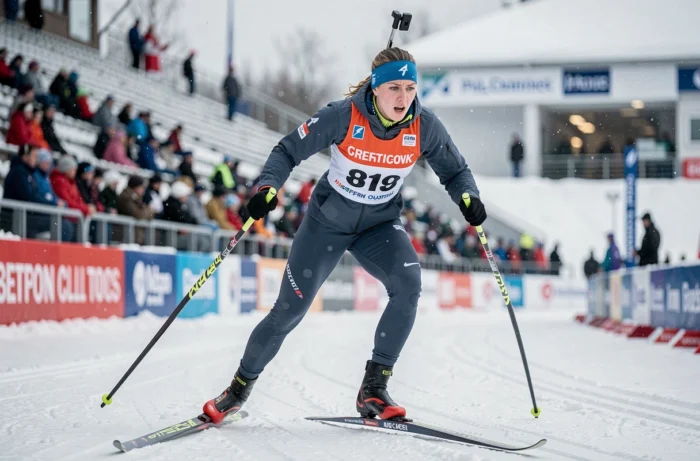
The International Biathlon Union confirmed in August 2026 the full maintenance of the sanctions imposed in 2022 against Russia and Belarus for the 2026-2027 season. National federations remain suspended, and their athletes cannot participate in any IBU circuit.
The IBU does not foresee any possibility of participation under a neutral status, unlike other international winter sports federations. This position places biathlon among the strictest disciplines on this issue, despite the more lenient recommendations issued by the International Olympic Committee in 2025-2026.
We are therefore at four complete seasons of exclusion (2022-2023 to 2025-2026), now extended into 2026-2027. The IBU Congress scheduled for September 2026 is expected to address the issue only formally, without opening a debate on reintegration.
Consequences on the Field and Rankings
The prolonged absence of Russia alters the interpretation of results in the mixed relay and men’s relay. Several Russian athletes who regularly appeared in the individual top 15 have not been on the circuit for four years.
For observers comparing the records from one season to another, this contextual data is necessary. Comparing a 2026 overall ranking to that of 2021 without mentioning the Russian exclusion skews the analysis.
Key Stages of the 2026-2027 World Cup Calendar and Race Formats
The BMW IBU World Cup calendar revolves around several stages from late November to March. The scheduled formats largely determine the dynamics of the overall rankings.
- The sprint remains the most frequent format and serves as a qualifying race for the pursuit, making it the pivot of the overall ranking for both men and women.
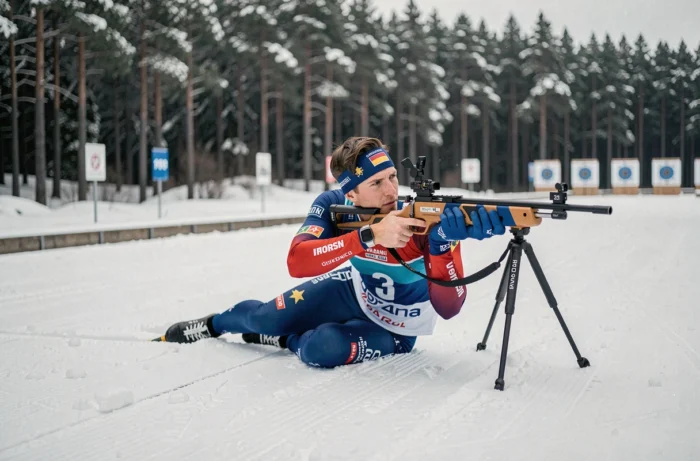
- The mass start, reserved for the top-ranked, amplifies gaps at the end of the season and rewards consistency in standing shooting under pressure.
- The single mixed relay is gaining visibility since its inclusion in the Olympic program, with team compositions varying according to federal strategies (placing a leader on the last leg or balanced distribution).
Stages organized at altitude (Antholz-Anterselva, for example) favor athletes who have undergone prolonged altitude training. Managing training volume in hypoxia remains a discriminating factor for converted cross-country specialists or biathletes with a cross-country profile like Émilien Jacquelin or Quentin Fillon Maillet.
Interpreting Sprint and Pursuit Results: What Shooting Times Reveal
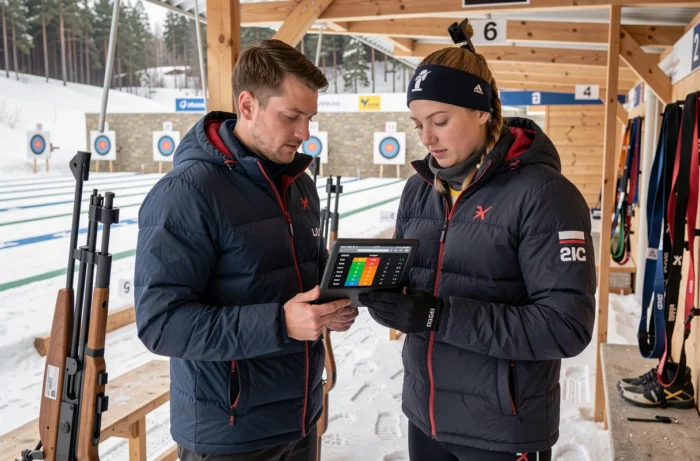
The prone and standing shooting times, often relegated to the bottom of the results tables, are the best indicators of a biathlete’s form mid-season. A fast prone shot (under 25 seconds per round) indicates a confident athlete, while a slow standing shot generally reflects accumulated fatigue.
We observe that mainstream media publish final rankings without detailing these intermediate times. Consulting the complete race sheets on the IBU website allows for much better anticipation of upcoming performances than a simple podium.
French Biathlon Team: Points of Attention for the Season
Émilien Jacquelin’s announcement of potentially skipping the upcoming season reshuffles the cards within the French men’s team. Quentin Fillon Maillet, who has publicly discussed the impact of his personal life on his preparation, remains the designated leader, but the depth of the French bench in the men’s relay will be tested from the very first stages.
For the women, the dynamic around Lou Jeanmonnot and Justine Braisaz-Bouchet continues to shape selections. The French women’s relay needs consistency in shooting to compete with Norway and Germany, two nations that field four reliable shooters.
- Monitor the composition of the French mixed relay from the opening stage: it often indicates the federal strategy for the entire season.
- The ranking of Martin Fourcade has left a symbolic void, and the internal hierarchy remains fluid among the men.
- The results of young French athletes in the IBU Cup (including Julia Simon during her returns from injury) provide clues about possible advancements in the World Cup.
The 2026-2027 season will be determined as much by technical details (waxes, altitude management, shooting times) as by the major rankings. Reading results beyond the podium, while incorporating the regulatory and material context, remains the best way to understand the real hierarchies of global biathlon.